Smart Classroom Setup
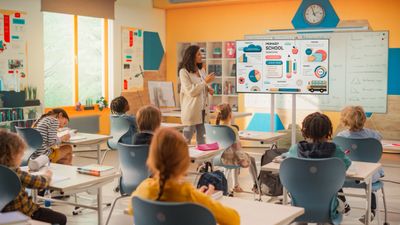
🎓 Educational Benefits
Interactive Learning - Students can engage with multimedia content (videos, animations, simulations), making learning more dynamic and enjoyable.
Improved Understanding and Retention - Visual and interactive tools help students grasp complex topics more easily and remember them longer.
Access to Global Resources - Teachers and students can access vast amounts of information, including online libraries, expert talks, and virtual labs.
⏱️ Efficiency & Convenience
Time-Saving Tools - Instant sharing of notes, auto-graded quizzes, and smart attendance systems reduce administrative overhead.
Paperless Environment - Reduces reliance on physical textbooks, notebooks, and handouts—eco-friendly and cost-effective.
👨🏫 Teacher Advantages
Enhanced Teaching Tools - Smartboards, presentation software, and classroom management apps help teachers explain topics better and maintain control.
Real-Time Feedback - Teachers can assess student understanding on the spot through quizzes, polls, or interactive Q&A sessions.
🧠 Student-Centered Learning
Personalized Education - Adaptive learning platforms adjust content difficulty based on individual student performance.
Encourages Collaboration - Group activities, shared screens, and digital projects promote teamwork and communication.
Flexible Learning Options - Lessons can be recorded and reviewed later, benefiting students who miss class or need revision.
🔒 Other Practical Benefits
Security & Monitoring - Smart classrooms often have surveillance, attendance tracking, and access control for improved safety.
Preparation for the Future - Familiarizes students with technology, preparing them for tech-driven workplaces.